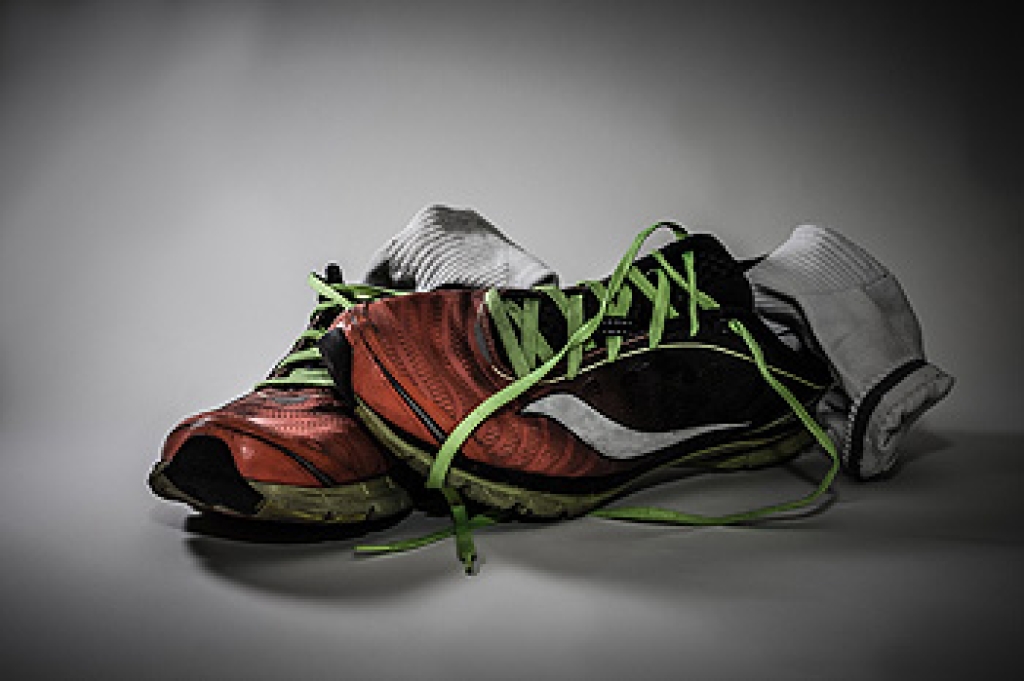
Choosing the right running shoe starts with finding a fit that matches the shape and size of your foot. Length, width, and depth all matter when selecting shoes for running. There should be about 1 to 1.5 centimeters between your longest toe and the end of the shoe. The toe box should also be wide and deep enough for your toes. Feet change shape when standing, so fit should be checked in that position.
A running shoe should provide support without being too flexible through the middle of the sole. If this area bends too easily, the foot has to work harder. Some flexibility near the front of the shoe helps the big toe move as the foot pushes forward. Shock absorption is also important because running places repeated forces through the feet. Laces, straps, or another adjustable fastening can help keep the shoe secure. A removable footbed can be useful for runners who use an orthotic or custom insert. The shoe should also be suited to the surface and type of running activity.
A podiatrist can help runners choose shoes that match their foot structure and movement patterns. An evaluation can examine foot shape, gait, and areas that receive extra pressure. A podiatrist can also determine whether an orthotic could improve support or whether certain shoe features are better suited to the runner’s needs. Shoes that fit poorly or lack proper support can contribute to foot strain and pain. Persistent or recurring discomfort deserves evaluation, especially when it affects running. Proper shoe selection can support comfort, reduce unnecessary strain, and help runners move more efficiently. If you have symptoms of running-related foot pain, it is suggested that you schedule an appointment with a podiatrist for a diagnosis and appropriate treatment.
For more information about walking shoes versus running shoes, consult with Philip Hahn, DPM from Advanced Foot & Ankle Center. Our doctor can measure your feet to determine what your needs are and help you find an appropriate pair of footwear.
Foot Health: The Differences between Walking & Running Shoes
There are great ways to stay in shape: running and walking are two great exercises to a healthy lifestyle. It is important to know that running shoes and walking shoes are not interchangeable. There is a key difference on how the feet hit the ground when someone is running or walking. This is why one should be aware that a shoe is designed differently for each activity.
You may be asking yourself what the real differences are between walking and running shoes and the answers may shock you.
Differences
Walking doesn’t involve as much stress or impact on the feet as running does. However, this doesn’t mean that you should be any less prepared. When you’re walking, you land on your heels and have your foot roll forward. This rolling motion requires additional support to the feet.
Flexibility – Walking shoes are designed to have soft, flexible soles. This allows the walker to push off easily with each step.
If you have any questions, please feel free to contact our office located in Texarkana, TX . We offer the newest diagnostic and treatment technologies for all your foot care needs.


