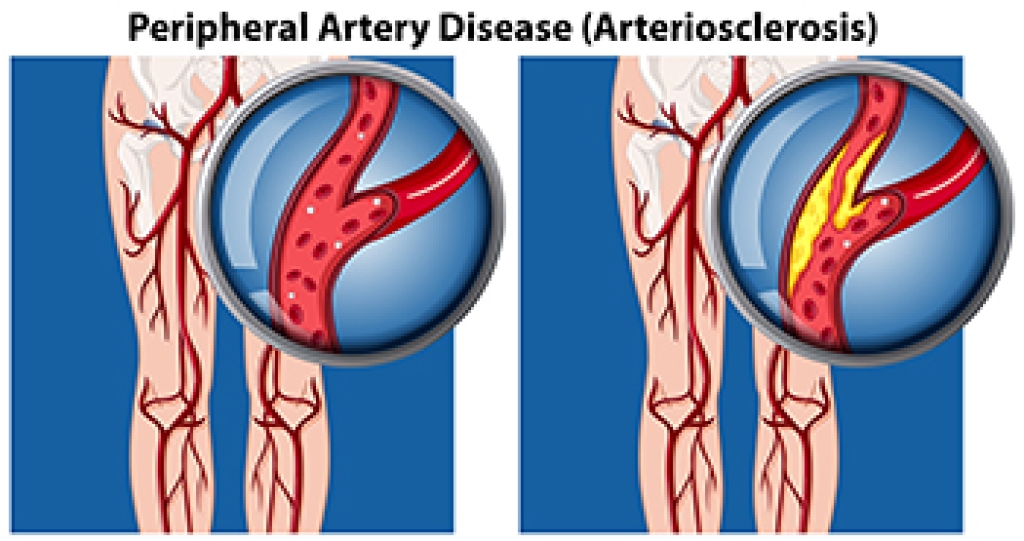
Foot Problems Linked to Peripheral Artery Disease

Peripheral artery disease, or PAD, develops when narrowed arteries reduce blood flow to the legs and feet. Fatty deposits inside these blood vessels are usually responsible for this narrowing. Without enough oxygen-rich blood, the feet may become painful and slow to heal. Signs include cramping in the calves when walking, cold feet, and a weak pulse in the lower legs. The skin may look pale, shiny, or bluish. Toenails can grow slowly, and hair on the feet or legs may decrease. As the condition advances, some patients also develop numbness or pain while resting.

Several factors raise the risk of developing PAD. Smoking, diabetes, and high blood pressure are major concerns. High cholesterol and older age can also increase risk. Because reduced circulation limits healing, a small blister or cut can become a serious wound. An untreated wound may develop an infection, tissue damage, or limb loss. People with diabetes face added danger because nerve damage can make an injury difficult to feel. Changes should not be ignored, even when they seem minor. A sore that does not heal, a change in skin color, or sudden foot pain requires prompt medical attention.

A podiatrist can examine the feet for circulation problems and check the skin, nails, and pulse. The examination can also identify wounds that require careful treatment. Tests that compare blood pressure at the ankle and arm can help measure blood flow. A podiatrist can clean and protect wounds, remove damaged tissue, and reduce pressure on sore areas. Regular foot examinations can help detect problems before they become severe. A medical team approach can help manage PAD and protect foot health. In severe cases, procedures or surgery may be considered to improve circulation. If you have symptoms of peripheral artery disease, it is suggested that you schedule an appointment with a podiatrist for a diagnosis and appropriate treatment.

Peripheral artery disease can pose a serious risk to your health. It can increase the risk of stroke and heart attack. If you have symptoms of peripheral artery disease, consult with Philip Hahn, DPM from Advanced Foot & Ankle Center. Our doctor will assess your condition and provide you with quality foot and ankle treatment.

Peripheral artery disease (PAD) is when arteries are constricted due to plaque (fatty deposits) build-up. This results in less blood flow to the legs and other extremities. The main cause of PAD is atherosclerosis, in which plaque builds up in the arteries.

Symptoms

Symptoms of PAD include:

  • Claudication (leg pain from walking)
  • Numbness in legs
  • Decrease in growth of leg hair and toenails
  • Paleness of the skin
  • Erectile dysfunction
  • Sores and wounds on legs and feet that won’t heal
  • Coldness in one leg

It is important to note that a majority of individuals never show any symptoms of PAD.

Diagnosis

While PAD occurs in the legs and arteries, Podiatrists can diagnose PAD. Podiatrists utilize a test called an ankle-brachial index (ABI). An ABI test compares blood pressure in your arm to you ankle to see if any abnormality occurs. Ultrasound and imaging devices may also be used.

Treatment

Fortunately, lifestyle changes such as maintaining a healthy diet, exercising, managing cholesterol and blood sugar levels, and quitting smoking, can all treat PAD. Medications that prevent clots from occurring can be prescribed. Finally, in some cases, surgery may be recommended.

If you have any questions, please feel free to contact our office located in Texarkana, TX . We offer the newest diagnostic and treatment technologies for all your foot care needs.
Read more about Peripheral Artery Disease

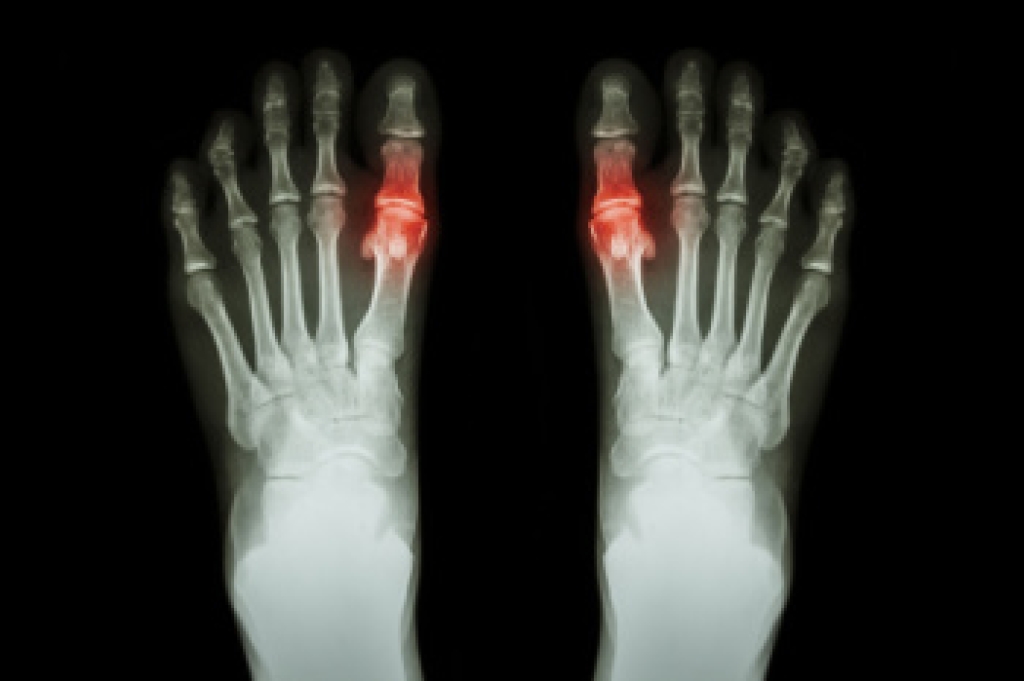
Gout and the Big Toe

Gout is a form of inflammatory arthritis caused by excess uric acid in the bloodstream. When uric acid forms sharp crystals, they can collect inside a joint and trigger inflammation. Gout commonly affects the big toe, creating pain, swelling, and tenderness. Symptoms may begin quickly, often during the night, and can make walking or wearing shoes uncomfortable. A gout attack may improve after several days, but repeated attacks can damage the affected joint if the condition is not managed.

The big toe is especially prone to gout because the joint is cool and receives pressure during standing and walking. These conditions can encourage crystal formation and inflammation. People with a family history of gout may have a higher risk. Other risk factors include obesity, kidney problems, and diets high in purine-rich foods. Alcohol consumption and dehydration may also contribute. Men are more likely to develop gout, while risk increases for women after menopause.


A podiatrist begins by reviewing symptoms, medical history, and risk factors. The podiatrist checks the big toe for swelling, warmth, and restricted movement. Testing may help confirm gout. Treatment can include recommendations to reduce inflammation and protect the joint during an attack. A podiatrist may also discuss footwear, activity changes, and prevention. 


Understanding gout can help you recognize symptoms early and seek care before attacks interfere with daily activities. Prompt treatment may reduce discomfort and help protect the big toe joint from damage. If you have pain, swelling, or redness on your big toe, it is suggested that you consult a podiatrist for an accurate diagnosis, treatment, and guidance on preventing future gout attacks. 

Gout is a painful condition that can be treated. If you are seeking treatment, contact Philip Hahn, DPM from Advanced Foot & Ankle Center. Our doctor will treat your foot and ankle needs.

What Is Gout?

Gout is a form of arthritis that is characterized by sudden, severe attacks of pain, redness, and tenderness in the joints. The condition usually affects the joint at the base of the big toe. A gout attack can occur at any random time, such as the middle of the night while you are asleep.

Symptoms

  • Intense Joint Pain - Usually around the large joint of your big toe, and it most severe within the first four to twelve hours
  • Lingering Discomfort - Joint discomfort may last from a few days to a few weeks
  • Inflammation and Redness -Affected joints may become swollen, tender, warm and red
  • Limited Range of Motion - May experience a decrease in joint mobility

Risk Factors

  • Genetics - If family members have gout, you’re more likely to have it
  • Medications - Diuretic medications can raise uric acid levels
  • Gender/Age - Gout is more common in men until the age of 60. It is believed that estrogen protects women until that point
  • Diet - Eating red meat and shellfish increases your risk
  • Alcohol - Having more than two alcoholic drinks per day increases your risk
  • Obesity - Obese people are at a higher risk for gout

Prior to visiting your podiatrist to receive treatment for gout, there are a few things you should do beforehand. If you have gout you should write down your symptoms--including when they started and how often you experience them, important medical information you may have, and any questions you may have. Writing down these three things will help your podiatrist in assessing your specific situation so that he or she may provide the best route of treatment for you.

If you have any questions, please feel free to contact our office located in Texarkana, TX . We offer the newest diagnostic and treatment technologies for all your foot care needs.
Read more about Everything You Need to Know About Gout

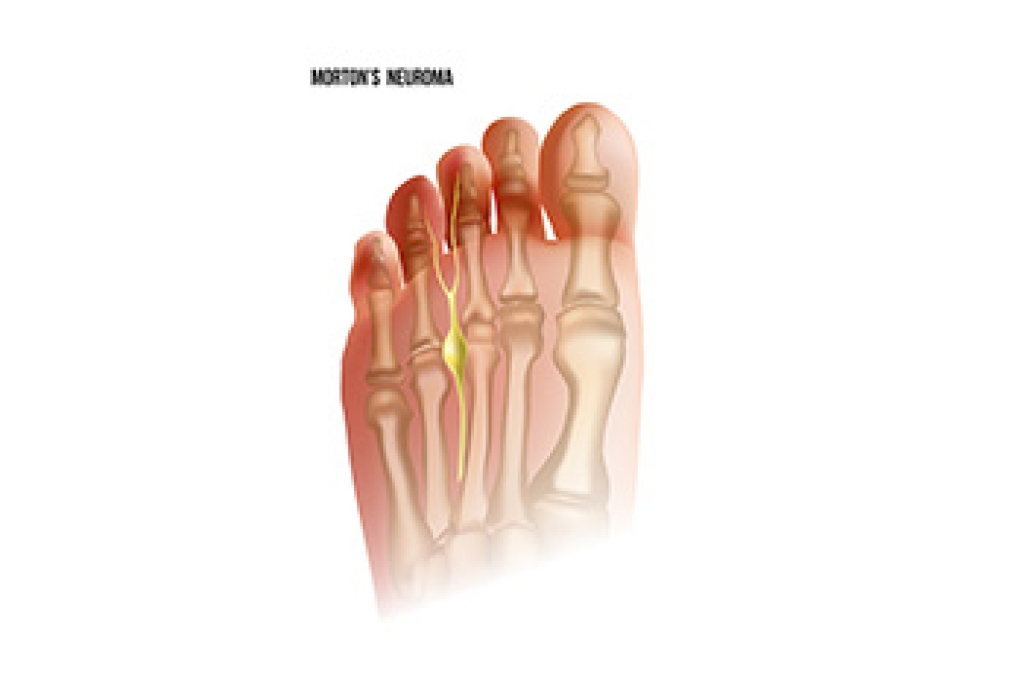
Morton’s Neuroma Symptoms and Risk Factors Explained

Morton’s neuroma is a common nerve-related foot condition that causes pain in the ball of the foot. It occurs when tissue surrounding a nerve becomes thickened and irritated, creating pressure on the affected nerve. The condition most often develops between the third and fourth toes, although symptoms can vary between individuals. Understanding how Morton’s neuroma develops can help identify warning signs and support early treatment.

The symptoms of Morton’s neuroma may include burning sensations, sharp pain, tingling, and numbness in the forefoot. Many people describe the discomfort as feeling like there is a small object trapped inside their shoe. Pain is typically located beneath the ball of the foot and may extend into the toes. Symptoms often become more noticeable during walking, running, or when wearing shoes that squeeze the front of the foot.


Risk factors for Morton’s neuroma include footwear choices, activity levels, and existing foot structure concerns. Wearing high heels and narrow shoes can force the toes together, increasing pressure on the nerves. Athletes who participate in running or jumping activities may also experience repeated stress in the forefoot. Other risk factors include flat feet, high arches, bunions, and hammertoes, which can change the way pressure is distributed across the foot.


Preventing worsening symptoms involves reducing irritation and supporting proper foot mechanics. Choosing comfortable shoes with enough room for the toes can help decrease pressure on the nerve. Addressing foot alignment concerns early may also improve comfort and mobility. Morton’s neuroma can be painful and may cause difficulty in completing daily activities. If you have pain in this part of your foot, it is suggested that you consult a podiatrist who can accurately diagnose and treat Morton’s neuroma. 

Morton’s neuroma is a very uncomfortable condition to live with. If you think you have Morton’s neuroma, contact Philip Hahn, DPM of Advanced Foot & Ankle Center. Our doctor will attend to all of your foot care needs and answer any of your related questions.  

Morton’s Neuroma

Morton's neuroma is a painful foot condition that commonly affects the areas between the second and third or third and fourth toe, although other areas of the foot are also susceptible. Morton’s neuroma is caused by an inflamed nerve in the foot that is being squeezed and aggravated by surrounding bones.

What Increases the Chances of Having Morton’s Neuroma?

  • Ill-fitting high heels or shoes that add pressure to the toe or foot
  • Jogging, running or any sport that involves constant impact to the foot
  • Flat feet, bunions, and any other foot deformities

Morton’s neuroma is a very treatable condition. Orthotics and shoe inserts can often be used to alleviate the pain on the forefront of the feet. In more severe cases, corticosteroids can also be prescribed. In order to figure out the best treatment for your neuroma, it’s recommended to seek the care of a podiatrist who can diagnose your condition and provide different treatment options.

If you have any questions, please feel free to contact our office located in Texarkana, TX . We offer the newest diagnostic and treatment technologies for all your foot care needs.

Read more about Morton's Neuroma

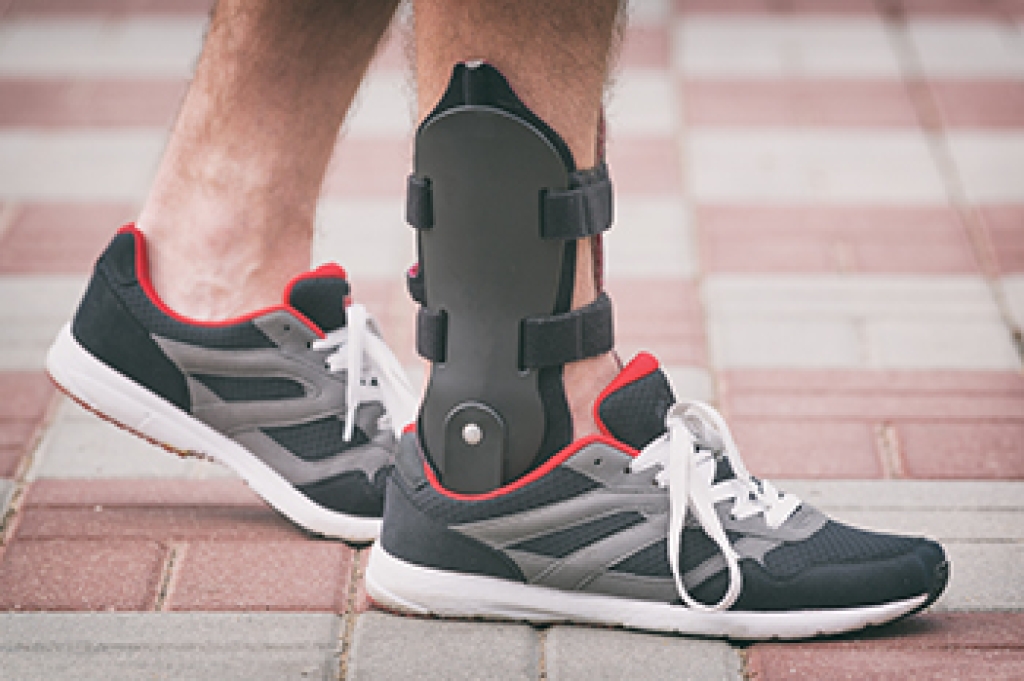
Custom Orthotics Offer Support and Stability for Foot Drop

Foot drop makes it difficult to lift the front of the foot and toes while walking. As a result, the toes can drag or catch on the ground. Foot drop can result from nerve injury, muscle weakness, or conditions involving the brain or spinal cord. Because it increases the chance of tripping and falling, an evaluation is important. A podiatrist can examine foot movement, ankle strength, and walking patterns. The examination can help identify pressure areas caused by changes in the way the foot meets the ground.

Orthotic devices can support the foot and improve safety while walking. An ankle-foot orthosis, also called an AFO, is a brace that fits around the lower leg, ankle, and foot. It holds the foot in a more stable position and helps keep the toes from dragging. Some AFOs are firm, while others allow limited ankle movement. A podiatrist can determine which design suits the patient’s strength, balance, and daily activities. A custom shoe insert can also improve alignment or reduce pressure inside the shoe. The device must fit correctly because excess pressure can cause rubbing, redness, or skin damage.

A podiatrist can measure the foot and ankle, prescribe an appropriate orthotic device, and check how it works with the patient’s shoes. During follow-up visits the podiatrist can inspect the skin and make adjustments that improve comfort. The podiatrist can also recommend shoes with enough depth and secure fastenings to hold the brace properly. Persistent redness, pain, or numbness linked to the device should be reported. Treatment depends on the cause and severity of foot drop, so an orthotic device is only one part of a broader care plan. In some cases, a podiatrist works with other medical specialists to address the underlying condition and reduce the risk of further problems. If you have foot drop, it is suggested that you schedule an appointment with a podiatrist to explore the use of an orthotic device.


If you are having discomfort in your feet and would like to try orthotics, contact Philip Hahn, DPM from Advanced Foot & Ankle Center. Our doctor can provide the care you need to keep you pain-free and on your feet.

What Are Orthotics?

Orthotics are inserts you can place into your shoes to help with a variety of foot problems such as flat feet or foot pain. Orthotics provide relief and comfort for minor foot and heel pain but can’t correct serious biomechanical problems in your feet.

Over-the-Counter Inserts

Orthotics come in a wide variety of over-the-counter inserts that are used to treat foot pain, heel pain, and minor problems. For example, arch supports can be inserted into your shoes to help correct overarched or flat feet, while gel insoles are often used because they provide comfort and relief from foot and heel pain by alleviating pressure.

Prescription Orthotics

If over-the-counter inserts don’t work for you or if you have a more severe foot concern, it is possible to have your podiatrist prescribe custom orthotics. These high-quality inserts are designed to treat problems such as abnormal motion, plantar fasciitis, and severe forms of heel pain. They can even be used to help patients suffering from diabetes by treating foot ulcers and painful calluses and are usually molded to your feet individually, which allows them to provide full support and comfort.

If you are experiencing minor to severe foot or heel pain, it’s recommended to speak with your podiatrist about the possibilities of using orthotics. A podiatrist can determine which type of orthotic is right for you and allow you to take the first steps towards being pain-free.

If you have any questions, please feel free to contact our office located in Texarkana, TX . We offer the newest diagnostic and treatment technologies for all your foot care needs.

Read more about Ankle Foot Orthotics for Athletes

Connect With Us

like us on facebook follow us on twitter review us on google read our podiatry blogs