
Suffering from this type of pain? You may have the foot condition known as Morton's neuroma. Morton's neuroma may develop as a result of ill-fitting footwear and existing foot deformities. We can help.
Suffering from this type of pain? You may have the foot condition known as Morton's neuroma. Morton's neuroma may develop as a result of ill-fitting footwear and existing foot deformities. We can help.
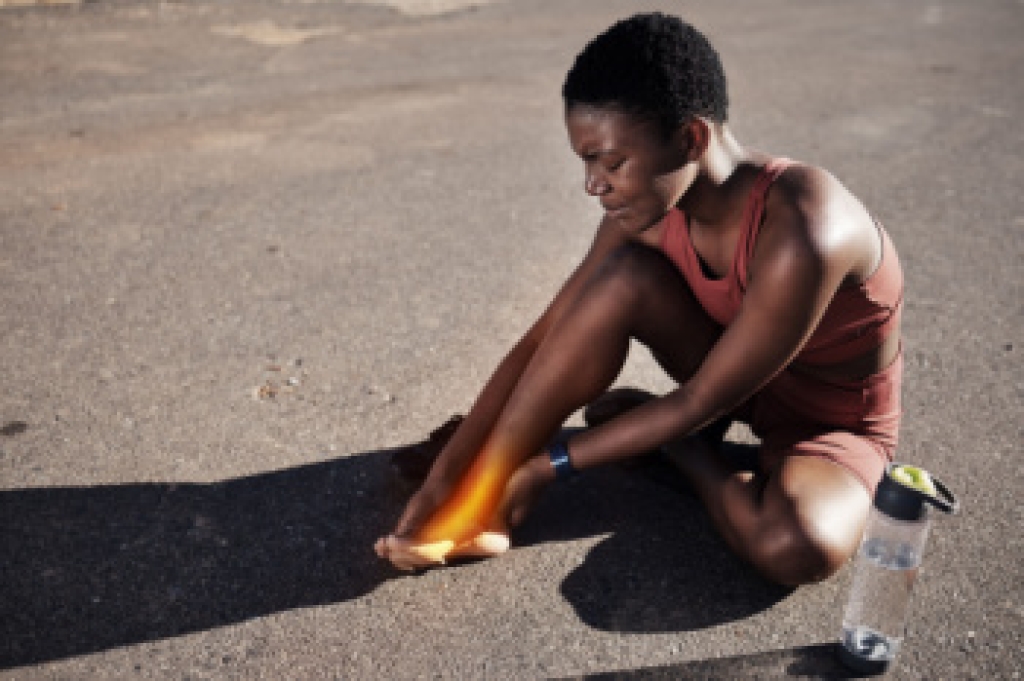
Outer foot pain from running is a common issue that many runners experience at some point in their training. This type of pain refers to discomfort along the lateral side of the foot, which is the area that absorbs impact during repetitive motion. Runners often dread this condition because it can interfere with performance and daily movement. Symptoms may include sharp or aching pain, tenderness, and swelling,. Difficulty bearing weight on the affected foot may also occur. The discomfort can develop gradually or appear suddenly after an intense run, making it important to recognize early warning signs.
Several conditions can contribute to outer foot pain. An ankle sprain occurs when ligaments are stretched or torn, often due to uneven surfaces or sudden twists. Blisters are small fluid-filled pockets caused by friction between the foot and footwear, leading to irritation and pain. Bunions are bony bumps that form at the base of the big toe, altering foot mechanics and increasing lateral pressure. Flat feet, a condition where the arch collapses, can lead to improper weight distribution and strain on the outer foot. Additionally, Morton’s neuroma is a thickening of nerve tissue between the toes, causing burning pain and tingling that may radiate outward.
Risk factors for outer foot pain include overuse, poor running form, and wearing inadequate footwear. Sudden increases in mileage are often a factor. Symptoms vary depending on the cause but often include localized pain, swelling, redness, and reduced mobility. Ignoring these symptoms may lead to more severe injuries, so early attention is essential for recovery and prevention.
To reduce the risk of outer foot pain, runners should choose supportive footwear, maintain proper running technique, and gradually increase training intensity. Stretching and strengthening exercises can improve foot stability and alignment. If you have foot pain on the outside of your feet from running, it is suggested that you consult a podiatrist for effective relief and treatment solutions.
Foot Pain
Foot pain can be extremely painful and debilitating. If you have a foot pain, consult with Philip Hahn, DPM from Advanced Foot & Ankle Center. Our doctor will assess your condition and provide you with quality foot and ankle treatment.
Causes
Foot pain is a very broad condition that could be caused by one or more ailments. The most common include:
Diagnosis
To figure out the cause of foot pain, podiatrists utilize several different methods. This can range from simple visual inspections and sensation tests to X-rays and MRI scans. Prior medical history, family medical history, and any recent physical traumatic events will all be taken into consideration for a proper diagnosis.
Treatment
Treatment depends upon the cause of the foot pain. Whether it is resting, staying off the foot, or having surgery; podiatrists have a number of treatment options available for foot pain.
If you have any questions, please feel free to contact our office located in Texarkana, TX . We offer the newest diagnostic and treatment technologies for all your foot care needs.
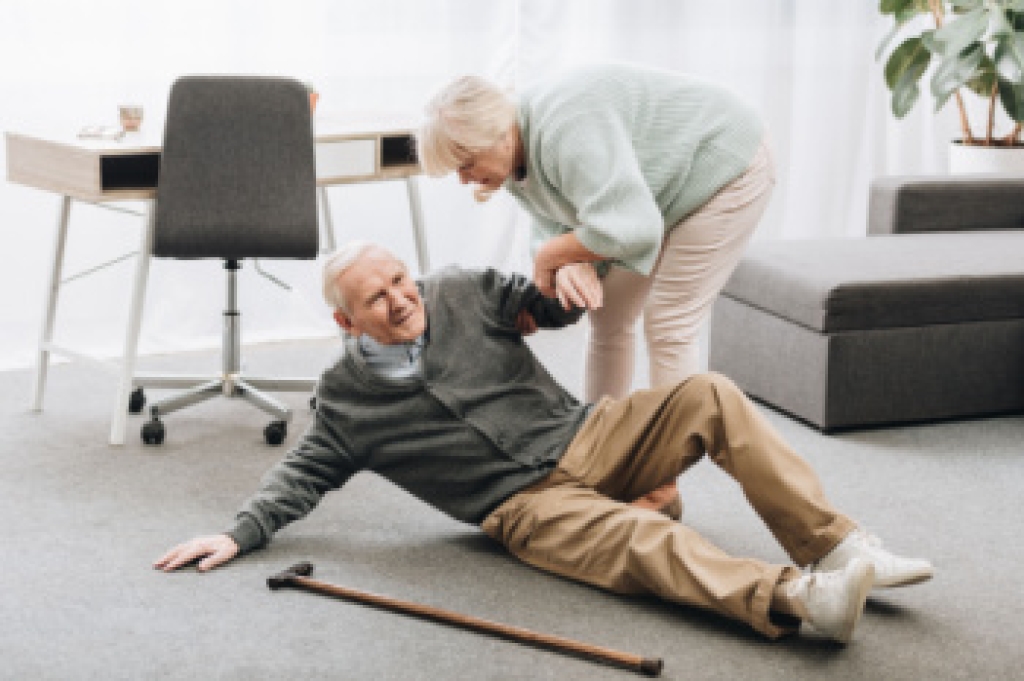
Falls are a leading cause of injury, especially among older adults, and healthy feet play an important role in maintaining balance and stability. Foot pain, reduced sensation, and poor joint movement can make walking more difficult and increase the risk of losing balance. Certain foot conditions may also affect the way a person walks, placing extra stress on the body and making everyday activities less safe. Muscle weakness, limited flexibility, and changes in foot structure can further reduce stability. Because many factors contribute to falls, evaluating foot health is an important part of identifying risks before an injury occurs. Early assessment can help improve mobility and support safer movement.
Foot and ankle function directly affects balance with every step. Conditions such as arthritis, bunions, and hammertoes may interfere with normal walking patterns. Other problems, including nerve-related changes, can reduce feeling in the feet and make it harder to detect uneven surfaces. As movement becomes less stable, the risk of slips and falls may increase. A thorough podiatry evaluation helps identify problems that affect balance, foot function, and walking mechanics. Understanding these issues allows a podiatrist to recommend treatment that supports safer mobility and helps reduce the likelihood of future falls.
A podiatrist plays an important role in falls prevention by evaluating foot health, identifying movement concerns, and developing an individualized treatment plan. Professional care may focus on improving foot function, reducing pain, and supporting better balance during daily activities. Regular evaluations also allow changes in foot health to be monitored before they lead to more serious mobility problems. Seeking care early may help maintain independence and reduce the risk of fall-related injuries. If foot pain, balance problems, or changes in the way you walk are affecting your stability, it is suggested that you consult a podiatrist for an evaluation and appropriate treatment options.
Preventing falls among the elderly is very important. If you are older and have fallen or fear that you are prone to falling, consult with Philip Hahn, DPM from Advanced Foot & Ankle Center. Our doctor will assess your condition and provide you with quality advice and care.
Every 11 seconds, an elderly American is being treated in an emergency room for a fall related injury. Falls are the leading cause of head and hip injuries for those 65 and older. Due to decreases in strength, balance, senses, and lack of awareness, elderly persons are very susceptible to falling. Thankfully, there are a number of things older persons can do to prevent falls.
How to Prevent Falls
Some effective methods that older persons can do to prevent falls include:
Falling can be a traumatic and embarrassing experience for elderly persons; this can make them less willing to leave the house, and less willing to talk to someone about their fears of falling. Doing such things, however, will increase the likelihood of tripping or losing one’s balance. Knowing the causes of falling and how to prevent them is the best way to mitigate the risk of serious injury.
If you have any questions, please feel free to contact our office located in Texarkana, TX . We offer the newest diagnostic and treatment technologies for all your foot care needs.

Ankle pain is a widespread condition that can limit movement, affect balance, and reduce overall quality of life. It may result from a sudden injury or develop gradually due to joint wear and degeneration. Common causes include sprains, fractures, and cartilage damage within the joint. Individuals often report swelling, reduced range of motion, and ongoing discomfort during walking or standing. Risk factors such as aging, excess body weight, repetitive strain, and a history of ankle injuries can increase the likelihood of developing chronic symptoms. Without proper care, ankle pain may worsen over time and interfere with daily activities.
When non-surgical treatments such as rest, bracing, and orthotics do not provide relief, ankle arthroplasty may be considered. This type of foot surgery, often referred to as total ankle replacement, involves removing damaged joint surfaces and replacing them with artificial components. The goal is to restore smoother movement while reducing pain. In contrast to ankle fusion, which restricts motion, this approach is designed to preserve flexibility and support a more natural walking pattern.
The surgery is performed in a sterile setting by a trained podiatric surgeon. Damaged bone and cartilage are carefully removed, and prosthetic components made of durable metal and medical-grade plastic are inserted to recreate the joint. Following surgery, patients participate in a structured recovery plan that includes gradual weight-bearing and guided rehabilitation. Many patients experience improved alignment, decreased pain, and better overall function after healing.
Ankle arthroplasty is not appropriate for every patient. Those with severe deformity, compromised bone quality, or active infection may require alternative treatment options. A detailed evaluation is essential to determine candidacy and ensure the best outcome. If you have chronic ankle pain and are considering this procedure, it is suggested that you consult a podiatrist who can determine if this type of foot surgery is appropriate for your condition.
Foot surgery is sometimes necessary to treat a foot ailment. To learn more, contact Philip Hahn, DPM of Advanced Foot & Ankle Center. Our doctor will assist you with all of your foot and ankle needs.
When Is Surgery Necessary?
Foot and ankle surgery is generally reserved for cases in which less invasive, conservative procedures have failed to alleviate the problem. Some of the cases in which surgery may be necessary include:
What Types of Surgery Are There?
The type of surgery you receive will depend on the nature of the problem you have. Some of the possible surgeries include:
Benefits of Surgery
Although surgery is usually a last resort, it can provide more complete pain relief compared to non-surgical methods and may allow you to finally resume full activity.
Surgical techniques have also become increasingly sophisticated. Techniques like endoscopic surgery allow for smaller incisions and faster recovery times.
If you have any questions, please feel free to contact our office located in Texarkana, TX . We offer the newest diagnostic and treatment technologies for all your foot care needs.
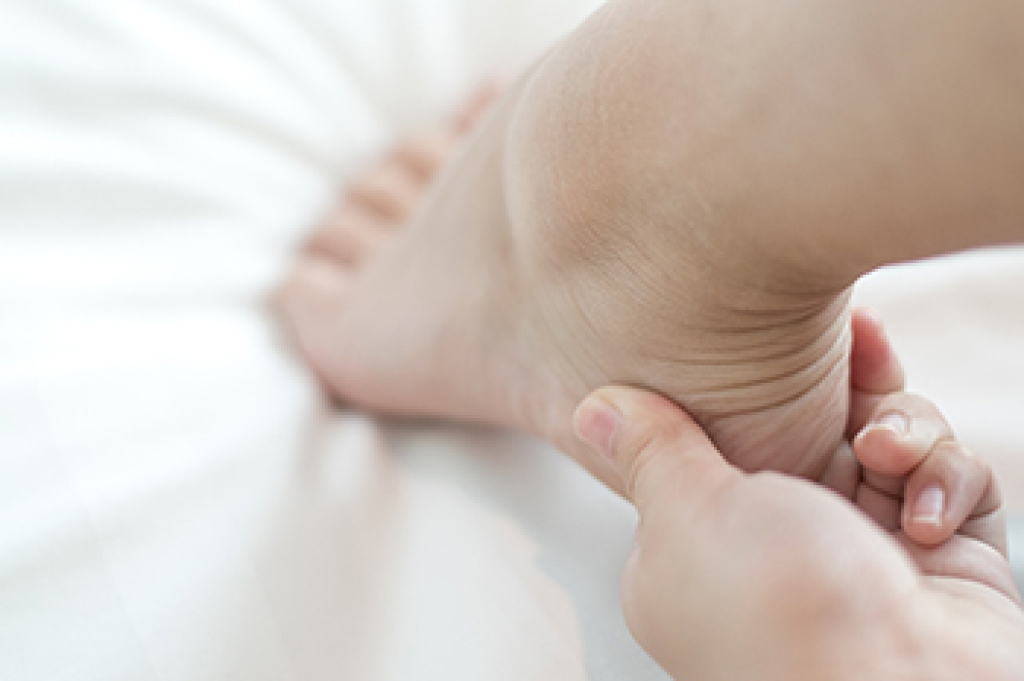
Sever’s disease, also called calcaneal apophysitis, causes pain in the growth plate at the back of the heel, oftentimes affecting children. A growth plate is an area of developing bone found in children and teenagers. Repeated pulling from the Achilles tendon can irritate the growth plate, especially during periods of rapid growth. Heel pain usually becomes worse while walking, running, or participating in sports. The pain can affect one heel or both. Some children also limp or avoid placing full weight on the affected foot because of discomfort. Early evaluation helps identify the condition before pain begins to interfere with school, sports, and other daily activities.
Several factors increase the chance of developing Sever’s disease. Running and jumping sports place repeated stress on the heel. Tight calf muscles can increase pulling on the growth plate. Flat feet or high arches can also change how force is distributed across the foot. Shoes that lack proper support can place additional strain on the heel during activity. A podiatrist diagnoses the condition by discussing symptoms, examining the foot, and checking for tenderness around the back of the heel. Imaging tests are not always necessary, but they can help rule out other causes of heel pain when the diagnosis is uncertain.
A podiatrist creates a treatment plan that reduces stress on the irritated growth plate and improves comfort. Treatment includes custom orthotics, heel cushions, and wearing supportive shoes. These options help reduce pressure and improve foot alignment while walking. Regular follow-up visits allow a podiatrist to monitor healing and adjust treatment as the child grows. Early care can reduce pain, improve mobility, and support a safe return to normal activities. Most children recover completely once the growth plate matures. If your active child has symptoms of Sever’s disease, it is suggested that you schedule an appointment with a podiatrist for effective relief and management tips.
Sever's disease often occurs in children and teens. If your child is experiencing foot or ankle pain, see Philip Hahn, DPM from Advanced Foot & Ankle Center. Our doctor can treat your child’s foot and ankle needs.
Sever’s Disease
Sever’s disease is also known as calcaneal apophysitis, which is a medical condition that causes heel pain I none or both feet. The disease is known to affect children between the ages of 8 and 14.
Sever’s disease occurs when part of the child’s heel known as the growth plate (calcaneal epiphysis) is attached to the Achilles tendon. This area can suffer injury when the muscles and tendons of the growing foot do not keep pace with bone growth. Therefore, the constant pain which one experiences at the back of the heel will make the child unable to put any weight on the heel. The child is then forced to walk on their toes.
Symptoms
Acute pain – Pain associated with Sever’s disease is usually felt in the heel when the child engages in physical activity such as walking, jumping and or running.
Highly active – Children who are very active are among the most susceptible in experiencing Sever’s disease, because of the stress and tension placed on their feet.
If you have any questions, please feel free to contact our office located in Texarkana, TX . We offer the newest diagnostic and treatment technologies for all your foot care needs.
Connect With Us


