
You don't need an excuse to have beautiful nails. Step outside without worrying about the appearance of your feet.
You don't need an excuse to have beautiful nails. Step outside without worrying about the appearance of your feet.
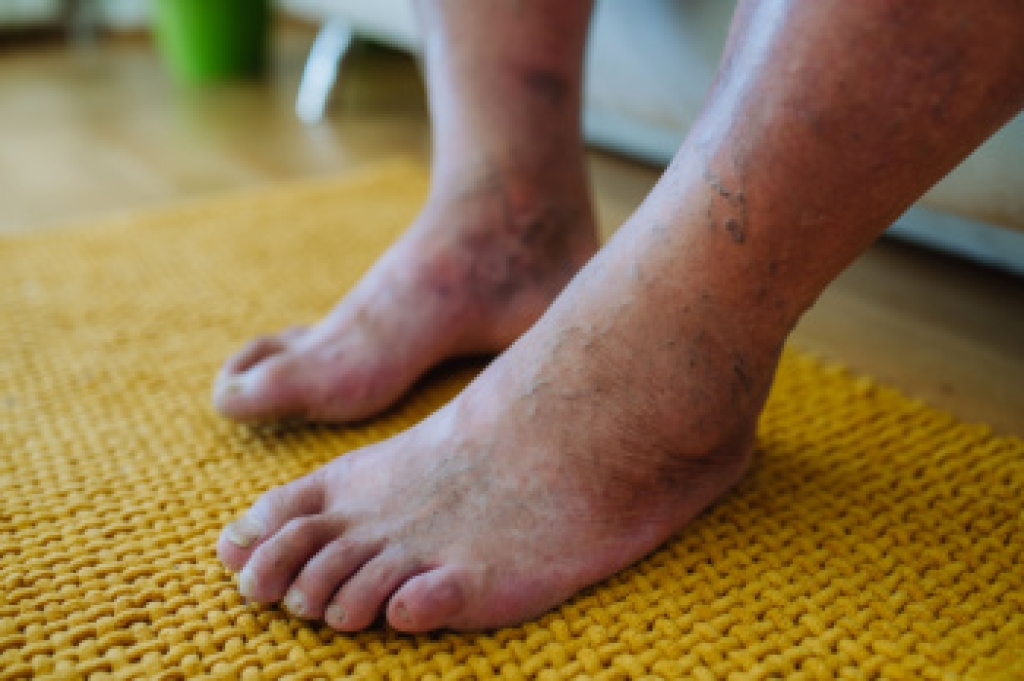
Diabetes can affect multiple systems in the body, including the eyes, nerves, and circulation, all of which play a role in foot health. Retinopathy damages the blood vessels in the eyes and can reduce vision, making it harder to notice cuts, sores, or changes in the feet. Neuropathy affects the nerves and may cause numbness or burning, so injuries can go unnoticed. Circulation problems can slow healing, increasing the risk of infection. Together, these issues can raise the chance of serious foot complications if not managed carefully. Regular monitoring is critical to catch problems early. A podiatrist is an important part of the health care team, providing routine exams, treating wounds, and helping prevent complications through proper foot care and footwear guidance. If you are managing diabetes and have foot concerns, it is suggested that you schedule routine appointments with a podiatrist.
Diabetic foot care is important in preventing foot ailments such as ulcers. If you are suffering from diabetes or have any other concerns about your feet, contact Philip Hahn, DPM from Advanced Foot & Ankle Center. Our doctor can provide the care you need to keep you pain-free and on your feet.
Diabetic Foot Care
Diabetes affects millions of people every year. The condition can damage blood vessels in many parts of the body, especially the feet. Because of this, taking care of your feet is essential if you have diabetes, and having a podiatrist help monitor your foot health is highly recommended.
The Importance of Caring for Your Feet
Patients with diabetes should have their doctor monitor their blood levels, as blood sugar levels play such a huge role in diabetic care. Monitoring these levels on a regular basis is highly advised.
It is always best to inform your healthcare professional of any concerns you may have regarding your feet, especially for diabetic patients. Early treatment and routine foot examinations are keys to maintaining proper health, especially because severe complications can arise if proper treatment is not applied.
If you have any questions, please feel free to contact our office located in Texarkana, TX . We offer the newest diagnostic and treatment technologies for all your foot care needs.
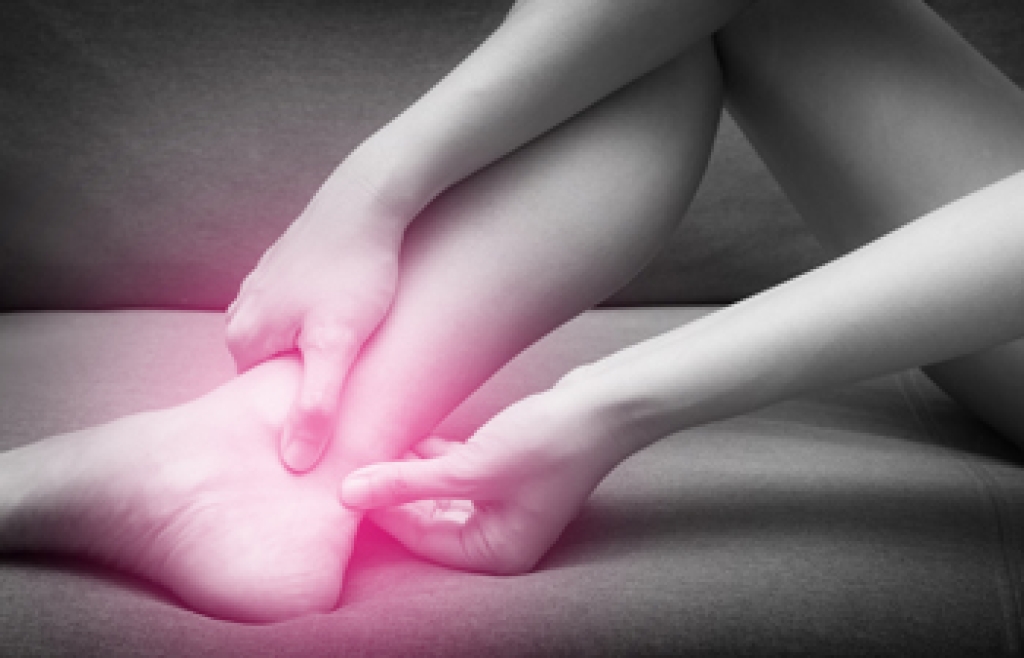
An Achilles tendon injury involves damage to the strong band of tissue that connects the calf muscles to the heel bone. It can occur from sudden increases in activity, overuse, or forceful movements like jumping or running. Symptoms include pain, swelling, stiffness, and difficulty walking or pushing off the foot. Risk factors include tight muscles, improper footwear, and lack of conditioning. Rest is essential to allow the tendon to recover and prevent further strain. Additional care includes stretching, strengthening, and a gradual return to activity. A podiatrist can help by diagnosing the injury, guiding treatment, and recommending supportive therapies to promote healing. If you have signs of an Achilles tendon injury, it is suggested that you promptly consult a podiatrist who can offer you appropriate treatment solutions to restore mobility.
Achilles tendon injuries need immediate attention to avoid future complications. If you have any concerns, contact Philip Hahn, DPM of Advanced Foot & Ankle Center. Our doctor can provide the care you need to keep you pain-free and on your feet.
What Is the Achilles Tendon?
The Achilles tendon is a tendon that connects the lower leg muscles and calf to the heel of the foot. It is the strongest tendon in the human body and is essential for making movement possible. Because this tendon is such an integral part of the body, any injuries to it can create immense difficulties and should immediately be presented to a doctor.
What Are the Symptoms of an Achilles Tendon Injury?
There are various types of injuries that can affect the Achilles tendon. The two most common injuries are Achilles tendinitis and ruptures of the tendon.
Achilles Tendinitis Symptoms
Rupture Symptoms
Treatment and Prevention
Achilles tendon injuries are diagnosed by a thorough physical evaluation, which can include an MRI. Treatment involves rest, physical therapy, and in some cases, surgery. However, various preventative measures can be taken to avoid these injuries, such as:
If you have any questions please feel free to contact our office located in Texarkana, TX . We offer the newest diagnostic tools and technology to treat your foot and ankle needs.

High heeled shoes can significantly affect the natural structure and function of the feet. As the heel height increases, more body weight shifts forward, placing greater pressure on the toes and the ball of the foot. This increased forefoot pressure may lead to discomfort, and may contribute to the development of foot deformities, over time. Conditions such as bunions, hammertoes, and nerve irritation may occur when the toes are forced into a narrow shoe space. Continued stress on the arch and heel may also contribute to plantar fasciitis, a painful inflammation of the connective tissue along the bottom of the foot. A podiatrist can evaluate foot alignment and provide supportive care. If you enjoy wearing high heels and have developed foot pain, it is suggested that you consult a podiatrist who can treat various foot and ankle conditions, and guide you toward more desirable shoes to wear.
High heels have a history of causing foot and ankle problems. If you have any concerns about your feet or ankles, contact Philip Hahn, DPM from Advanced Foot & Ankle Center. Our doctor can provide the care you need to keep you pain-free and on your feet.
Effects of High Heels on the Feet
High heels are popular shoes among women because of their many styles and societal appeal. Despite this, high heels can still cause many health problems if worn too frequently.
Which Parts of My Body Will Be Affected by High Heels?
What Kinds of Foot Problems Can Develop from Wearing High Heels?
How Can I Still Wear High Heels and Maintain Foot Health?
If you want to wear high heeled shoes, make sure that you are not wearing them every day, as this will help prevent long term physical problems. Try wearing thicker heels as opposed to stilettos to distribute weight more evenly across the feet. Always make sure you are wearing the proper shoes for the right occasion, such as sneakers for exercising. If you walk to work, try carrying your heels with you and changing into them once you arrive at work. Adding inserts to your heels can help cushion your feet and absorb shock. Full foot inserts or metatarsal pads are available.
If you have any questions, please feel free to contact our office located in Texarkana, TX . We offer the newest diagnostic and treatment technologies for all your foot care needs.

Athlete's foot is a fungal infection that affects the skin of the feet, particularly between the toes. This condition develops when fungi grow in warm, moist environments that allow organisms to multiply and irritate the skin. Symptoms include itching, burning, redness, peeling skin, cracking, and discomfort while walking. Causes include prolonged moisture exposure, shared locker rooms, tight footwear, and inadequate foot hygiene. Risk factors can include excessive sweating, walking barefoot in public shower areas, and wearing non-breathable shoes for extended periods of time. Environments like gyms, swimming areas, and communal changing rooms may increase exposure. A podiatrist can diagnose the infection, recommend antifungal treatment, and guide prevention strategies. Athlete's foot can be uncomfortable. If you have any of the above symptoms, it is suggested that you consult a podiatrist who can provide effective relief and treatment solutions, which may include prescribed medication.
Athlete’s foot is an inconvenient condition that can be easily reduced with the proper treatment. If you have any concerns about your feet and ankles, contact Philip Hahn, DPM from Advanced Foot & Ankle Center. Our doctor will treat your foot and ankle needs.
Athlete’s Foot: The Sole Story
Athlete's foot, also known as tinea pedis, can be an extremely contagious foot infection. It is commonly contracted in public changing areas and bathrooms, dormitory style living quarters, around locker rooms and public swimming pools, or anywhere your feet often come into contact with other people.
Solutions to Combat Athlete’s Foot
Athlete’s foot can cause many irritating symptoms such as dry and flaking skin, itching, and redness. Some more severe symptoms can include bleeding and cracked skin, intense itching and burning, and even pain when walking. In the worst cases, Athlete’s foot can cause blistering as well. Speak to your podiatrist for a better understanding of the different causes of Athlete’s foot, as well as help in determining which treatment options are best for you.
If you have any questions please feel free to contact our office located in Texarkana, TX . We offer the newest diagnostic and treatment technologies for all your foot and ankle needs.
Connect With Us


