
Do you suffer from heel pain when you get up in the morning? If so, you should seek professional help and have a proper diagnosis performed. Heel pain can be caused by several different foot-related conditions.
Do you suffer from heel pain when you get up in the morning? If so, you should seek professional help and have a proper diagnosis performed. Heel pain can be caused by several different foot-related conditions.

Diabetic neuropathy is nerve damage caused by long-term high blood sugar levels. It most often affects the feet and legs. Nerves are like electrical wires that send messages between the brain and the body. When they are damaged, these messages do not travel correctly. Many people experience numbness, tingling, burning, or sharp shooting pain in their feet. Some lose what is called protective sensation, which means they cannot feel cuts, blisters, or pressure. This can lead to sores, infections, and slow healing. Diabetic neuropathy can also weaken muscles, change foot shape, and affect balance, increasing the risk of falls. Because symptoms may develop slowly, regular foot exams are important. A podiatrist can test sensation, check circulation, identify deformities, and create a treatment plan to reduce pain and lower the risk of ulcers and infection. If you have symptoms of diabetic neuropathy, it is suggested that you make an appointment with a podiatrist for an exam, diagnosis, and treatment.
Neuropathy
Neuropathy can be a potentially serious condition, especially if it is left undiagnosed. If you have any concerns that you may be experiencing nerve loss in your feet, consult with Philip Hahn, DPM from Advanced Foot & Ankle Center. Our doctor will assess your condition and provide you with quality foot and ankle treatment for neuropathy.
What Is Neuropathy?
Neuropathy is a condition that leads to damage to the nerves in the body. Peripheral neuropathy, or neuropathy that affects your peripheral nervous system, usually occurs in the feet. Neuropathy can be triggered by a number of different causes. Such causes include diabetes, infections, cancers, disorders, and toxic substances.
Symptoms of Neuropathy Include:
Those with diabetes are at serious risk due to being unable to feel an ulcer on their feet. Diabetics usually also suffer from poor blood circulation. This can lead to the wound not healing, infections occurring, and the limb may have to be amputated.
Treatment
To treat neuropathy in the foot, podiatrists will first diagnose the cause of the neuropathy. Figuring out the underlying cause of the neuropathy will allow the podiatrist to prescribe the best treatment, whether it be caused by diabetes, toxic substance exposure, infection, etc. If the nerve has not died, then it’s possible that sensation may be able to return to the foot.
Pain medication may be issued for pain. Electrical nerve stimulation can be used to stimulate nerves. If the neuropathy is caused from pressure on the nerves, then surgery may be necessary.
If you have any questions, please feel free to contact our office located in Texarkana, TX . We offer the newest diagnostic and treatment technologies for all your foot care needs.

Pickleball is popular because it feels low impact, but the quick starts, sudden stops, and side-to-side movements place real stress on the feet and ankles. Sprains can occur when the ankle rolls during a fast change in direction, while muscle strains may develop from pushing off quickly or reaching for wide shots. Seniors are more prone to these injuries due to natural changes with aging, including reduced balance, slower reaction time, decreased muscle strength, and stiffer joints. Previous injuries, arthritis, or reduced flexibility can further increase risk. Wearing improper footwear and playing on hard courts also add strain to the lower extremities. Early care is important, since minor injuries can worsen if ignored. If foot or ankle pain, swelling, or instability develops after playing pickleball, it is suggested that you see a podiatrist for evaluation, treatment, and guidance on a safe return to activity.
Sports related foot and ankle injuries require proper treatment before players can go back to their regular routines. For more information, contact Philip Hahn, DPM of Advanced Foot & Ankle Center. Our doctor can provide the care you need to keep you pain-free and on your feet.
Sports Related Foot and Ankle Injuries
Foot and ankle injuries are a common occurrence when it comes to athletes of any sport. While many athletes dismiss the initial aches and pains, the truth is that ignoring potential foot and ankle injuries can lead to serious problems. As athletes continue to place pressure and strain the area further, a mild injury can turn into something as serious as a rupture and may lead to a permanent disability. There are many factors that contribute to sports related foot and ankle injuries, which include failure to warm up properly, not providing support or wearing bad footwear. Common injuries and conditions athletes face, including:
Sports related injuries are commonly treated using the RICE method. This includes rest, applying ice to the injured area, compression and elevating the ankle. More serious sprains and injuries may require surgery, which could include arthroscopic and reconstructive surgery. Rehabilitation and therapy may also be required in order to get any recovering athlete to become fully functional again. Any unusual aches and pains an athlete sustains must be evaluated by a licensed, reputable medical professional.
If you have any questions please contact our office located in Texarkana, TX . We offer the newest diagnostic and treatment technologies for all your foot and ankle needs.
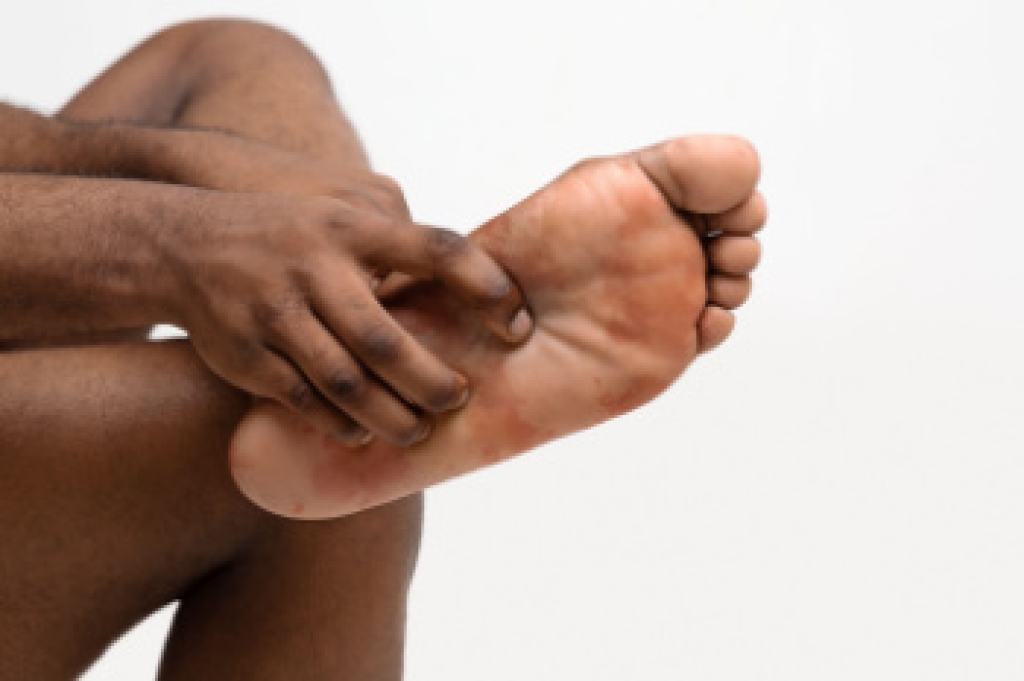
Plantar fasciitis is commonly known for heel pain, but its effects can extend beyond localized discomfort, even in younger and middle-aged adults. Ongoing heel pain may cause people to unconsciously adjust how they stand or walk to avoid pressure on the painful area. These subtle changes can disrupt normal posture and reduce stability during movement. Shortened steps, uneven weight distribution, and altered foot strike patterns are common, and may place added stress on the ankles, knees, hips, and lower back. Over time, these compensations can interfere with balance and increase fatigue during daily activities or exercise. Pain-related changes in foot function may also affect how quickly the body responds to shifts in surface or direction. Addressing plantar fasciitis early helps support healthier movement patterns. If heel pain alters your posture or walking, it is suggested that you see a podiatrist for a proper diagnosis and appropriate treatment.
Plantar fasciitis can be very painful and inconvenient. If you are experiencing heel pain or symptoms of plantar fasciitis, contact Philip Hahn, DPM from Advanced Foot & Ankle Center. Our doctor can provide the care you need to keep you pain-free and on your feet.
What Is Plantar Fasciitis?
Plantar fasciitis is the inflammation of the thick band of tissue that runs along the bottom of your foot, known as the plantar fascia, and causes mild to severe heel pain.
What Causes Plantar Fasciitis?
How Can It Be Treated?
While very treatable, plantar fasciitis is definitely not something that should be ignored. Especially in severe cases, speaking to your doctor right away is highly recommended to avoid complications and severe heel pain. Your podiatrist can work with you to provide the appropriate treatment options tailored to your condition.
If you have any questions, please feel free to contact our office located in Texarkana, TX . We offer the newest diagnostic and treatment technologies for all your foot care needs.

Heel pain affects the underside or back of the heel and can interfere with daily activities. The most frequent cause is plantar fasciitis, an inflammation of the thick band of tissue that supports the arch and connects the heel to the toes. Symptoms include sharp pain with the first steps in the morning or after periods of rest. Other causes include heel pad syndrome, which involves thinning or inflammation of the protective fat pad, and Achilles tendinopathy, which produces pain and stiffness at the back of the heel. If you have heel pain, it is suggested that you consult a podiatrist who can determine the exact cause, and provide personalized treatment.
Many people suffer from bouts of heel pain. For more information, contact Philip Hahn, DPM of Advanced Foot & Ankle Center. Our doctor can provide the care you need to keep you pain-free and on your feet.
Causes of Heel Pain
Heel pain is often associated with plantar fasciitis. The plantar fascia is a band of tissues that extends along the bottom of the foot. A rip or tear in this ligament can cause inflammation of the tissue.
Achilles tendonitis is another cause of heel pain. Inflammation of the Achilles tendon will cause pain from fractures and muscle tearing. Lack of flexibility is also another symptom.
Heel spurs are another cause of pain. When the tissues of the plantar fascia undergo a great deal of stress, it can lead to ligament separation from the heel bone, causing heel spurs.
Why Might Heel Pain Occur?
Treatments
Heel pain should be treated as soon as possible for immediate results. Keeping your feet in a stress-free environment will help. If you suffer from Achilles tendonitis or plantar fasciitis, applying ice will reduce the swelling. Stretching before an exercise like running will help the muscles. Using all these tips will help make heel pain a condition of the past.
If you have any questions, please feel free to contact our office located in Texarkana, TX . We offer the newest diagnostic and treatment technologies for all your foot care needs.
Connect With Us


