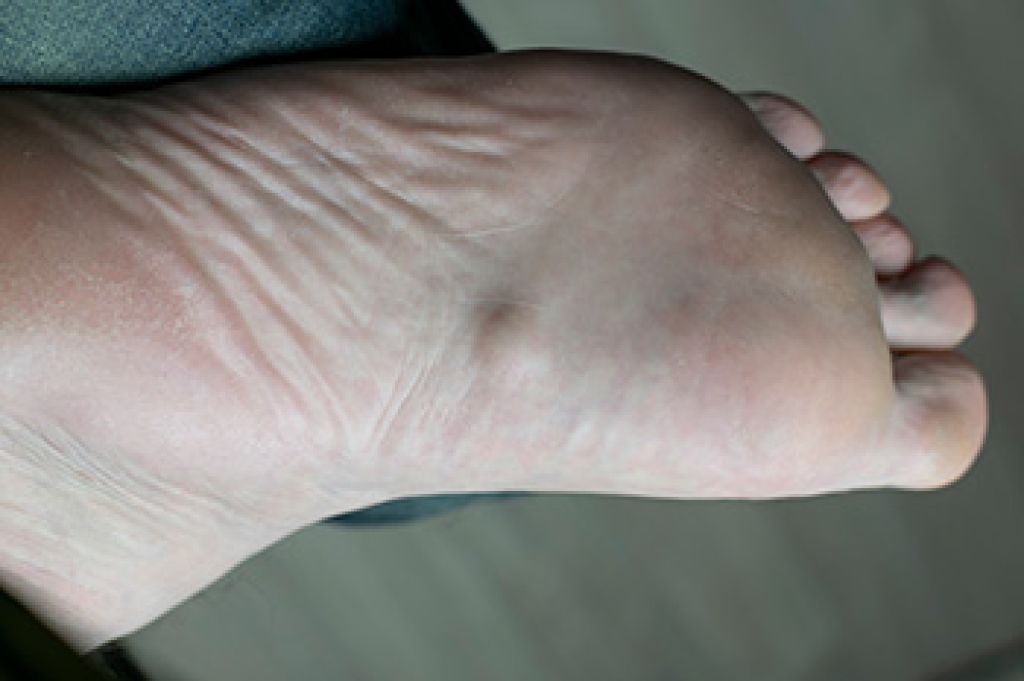
Plantar Fibroma and Fibromatosis Management Options

A plantar fibroma is a single benign lump that develops within the plantar fascia, the thick band of tissue along the bottom of the foot. Plantar fibromatosis refers to a more extensive condition in which multiple fibromas form and may gradually enlarge or spread. Both can cause localized pain, pressure with walking, and discomfort when standing for long periods, although fibromatosis is often more persistent and challenging to manage. Treatment focuses on reducing pressure and irritation. Custom orthotics, padding, and wearing supportive footwear help offload the affected area. Stretching and anti-inflammatory measures may ease symptoms. In some cases, targeted injections or other conservative therapies are considered. Surgery is approached cautiously, especially with fibromatosis, due to recurrence risk and scar tissue development. When ongoing arch pain or lumps interfere with daily activities, it is suggested that you obtain an evaluation by a podiatrist who can guide appropriate management and treatment.

A plantar fibroma may disrupt your daily activities. If you have any concerns, contact Philip Hahn, DPM of Advanced Foot & Ankle Center. Our doctor can provide the care you need to keep you pain-free and on your feet.

Plantar Fibroma

A plantar fibroma is a fibrous knot in the arch of the foot. It is embedded in the plantar fascia which is a band of tissue that extends from the heel to the toes along the bottom of the foot. There can be multiple plantar fibromas in the feet at the same time. There are no known causes for this condition. If you have a plantar fibroma, there will be a bump in the arch of your foot that cannot be missed. Any associated pain is most often due to a shoe rubbing against the nodule. Non-surgical options, such as steroid injections, physical therapy, and orthotics should be tried first. Surgery is a last resort and is the only thing that will remove a plantar fibroma entirely. Consult with a podiatrist for a proper diagnosis and to determine the treatment regimen that is right for you.

What Causes a Plantar Fibroma?

While there are no specific causes identified, a plantar fibroma can possibly come from genetic predisposition or the formation of scar tissue that forms from healing the tears in the plantar fascia.

What Are the Symptoms of a Plantar Fibroma?

There will be a noticeable lump in the arch of the foot that may or may not cause pain. If pain is felt, it is typically because a shoe is rubbing up against the lump or when walking or standing barefoot.

Treatment and Prevention

A plantar fibroma will not disappear without treatment, but it can get smaller and be a non-issue. If pain persists, a podiatrist examines the foot and when the arch of the foot is pressed, pain can be felt down to the toes. An MRI or biopsy might be performed to help diagnose or evaluate the plantar fibroma. The following non-surgical options are generally enough to reduce the size and pain of these nodules:

  • Steroid injections
  • Orthotics
  • Physical therapy to help apply anti-inflammatory creams on the bump 

Surgery is considered if the mass increases in size and the patient continues to feel pain after non-surgical methods are tried.

If you have any questions, please feel free to contact our office located in Texarkana, TX . We offer the newest diagnostic and treatment technologies for all your foot care needs.


Read more about Plantar Fibroma

Reminder: When Was the Last Time...?

Custom orthotics, or shoe inserts, should be periodically replaced. Orthotics must fit properly to give you the best results. Protect your feet and ankles!

Exercises to Help With Drop Foot

Drop foot is a condition where lifting the front of the foot becomes difficult, leading to dragging toes and changes in walking pattern. Specific exercises can support muscle activation and nerve communication involved in ankle and toe movement when guided by a medical professional. These exercises focus on strengthening muscles that lift the foot, improving ankle control, and enhancing balance to reduce fall risk. Gentle resistance movements, controlled ankle lifts, and coordinated gait drills help retrain proper motion. Stretching tight calf and foot muscles can improve foot positioning during walking. A podiatrist identifies the underlying cause, evaluates nerve and muscle function, and creates a structured treatment plan that may include supervised exercises, bracing recommendations, and ongoing monitoring to prevent secondary foot problems. If you have symptoms of drop foot, it is suggested that you make an appointment with a podiatrist for an exam, diagnosis, and treatment.

If you have any concerns about your feet, contact Philip Hahn, DPM from Advanced Foot & Ankle Center. Our doctor can provide the care you need to keep you pain-free and on your feet.

Biomechanics in Podiatry

Podiatric biomechanics is a particular sector of specialty podiatry with licensed practitioners who are trained to diagnose and treat conditions affecting the foot, ankle and lower leg. Biomechanics deals with the forces that act against the body, causing an interference with the biological structures. It focuses on the movement of the ankle, the foot and the forces that interact with them.

A History of Biomechanics

  • Biomechanics dates back to the BC era in Egypt where evidence of professional foot care has been recorded.
  • In 1974, biomechanics gained a higher profile from the studies of Merton Root, who claimed that by changing or controlling the forces between the ankle and the foot, corrections or conditions could be implemented to gain strength and coordination in the area.

Modern technological improvements are based on past theories and therapeutic processes that provide a better understanding of podiatric concepts for biomechanics. Computers can provide accurate information about the forces and patterns of the feet and lower legs.

Understanding biomechanics of the feet can help improve and eliminate pain, stopping further stress to the foot.

If you have any questions please feel free to contact our office located in Texarkana, TX . We offer the newest diagnostic and treatment technologies for all your foot and ankle needs.

Read more about Biomechanics in Podiatry

Moving Forward After a Midfoot Injury

Recovering from a Lisfranc fracture often requires patience and a structured exercise plan to restore strength and mobility. This injury, commonly caused by a fall, sports impact, or vehicle accident, may leave the midfoot swollen, bruised, or visibly altered in shape. It can feel stiff, weak, or painful, especially when pushing off or standing for long periods. A podiatrist begins by evaluating healing through physical examination and imaging, then designs a gradual rehabilitation program. Exercises may include gentle stretching to improve flexibility, strengthening movements to rebuild arch support, and balance training to restore stability. These exercises are designed to progress carefully to avoid reinjury while encouraging safe movement. Combined with proper footwear and possible orthotics, exercise plays a key role in full recovery. If you suspect a Lisfranc fracture, it is suggested that you make an appointment with a podiatrist.

A broken foot requires immediate medical attention and treatment. If you need your feet checked, contact Philip Hahn, DPM from Advanced Foot & Ankle Center. Our doctor can provide the care you need to keep you pain-free and on your feet.

Broken Foot Causes, Symptoms, and Treatment

A broken foot is caused by one of the bones in the foot typically breaking when bended, crushed, or stretched beyond its natural capabilities. Usually the location of the fracture indicates how the break occurred, whether it was through an object, fall, or any other type of injury. 

Common Symptoms of Broken Feet:

  • Bruising
  • Pain
  • Redness
  • Swelling
  • Blue in color
  • Numbness
  • Cold
  • Misshapen
  • Cuts
  • Deformities

Those that suspect they have a broken foot shoot seek urgent medical attention where a medical professional could diagnose the severity.

Treatment for broken bones varies depending on the cause, severity and location. Some will require the use of splints, casts or crutches while others could even involve surgery to repair the broken bones. Personal care includes the use of ice and keeping the foot stabilized and elevated.

If you have any questions, please feel free to contact our office located in Texarkana, TX . We offer the newest diagnostic and treatment technologies for all your foot care needs.

Read more about Causes, Symptoms, and Treatment for a Broken Foot

Midfoot Arthritis and How to Manage It

Midfoot arthritis is a condition characterized by inflammation of the joints in the middle of the foot, leading to pain, stiffness, and reduced mobility. Common symptoms include swelling, tenderness, and discomfort while walking or standing for extended periods. The pain often worsens with activity and may make daily tasks difficult to complete. Risk factors include previous foot injuries, repetitive stress, obesity, and aging, all of which can accelerate joint wear. A podiatrist can evaluate the severity of midfoot arthritis, recommend supportive footwear or custom orthotics, provide anti-inflammatory treatments, and develop a plan to preserve joint function. If you have any type of foot arthritis, it is suggested that you consult a podiatrist who can help you with effective relief and management tips.

Arthritis can be a difficult condition to live with. If you are seeking treatment, contact Philip Hahn, DPM from Advanced Foot & Ankle Center. Our doctor can provide the care you need to keep you pain-free and on your feet.

Arthritic Foot Care  

Arthritis is a term that is commonly used to describe joint pain.  The condition itself can occur to anyone of any age, race, or gender, and there are over 100 types of it.  Nevertheless, arthritis is more commonly found in women compared to men, and it is also more prevalent in those who are overweight. The causes of arthritis vary depending on which type of arthritis you have. Osteoarthritis for example, is often caused by injury, while rheumatoid arthritis is caused by a misdirected immune system.

Symptoms

  • Swelling
  • Pain
  • Stiffness
  • Decreased Range of Motion

Arthritic symptoms range in severity, and they may come and go. Some symptoms stay the same for several years but could potentially get worse with time. Severe cases of arthritis can prevent its sufferers from performing daily activities and make walking difficult.

Risk Factors

  • Occupation – Occupations requiring repetitive knee movements have been linked to osteoarthritis
  • Obesity – Excess weight can contribute to osteoarthritis development
  • Infection – Microbial agents can infect the joints and trigger arthritis
  • Joint Injuries – Damage to joints may lead to osteoarthritis
  • Age – Risk increases with age
  • Gender –Most types are more common in women
  • Genetics – Arthritis can be hereditary

If you suspect your arthritis is affecting your feet, it is crucial that you see a podiatrist immediately. Your doctor will be able to address your specific case and help you decide which treatment method is best for you.

If you have any questions please feel free to contact our office located in Texarkana, TX . We offer the newest diagnostic tools and technology to treat your foot and ankle needs.

Read more about How to Care for Your Arthritic Foot

Connect With Us

like us on facebook follow us on twitter review us on google read our podiatry blogs